
Water Treatment Control Valve Supplier UAE | Get a Quote
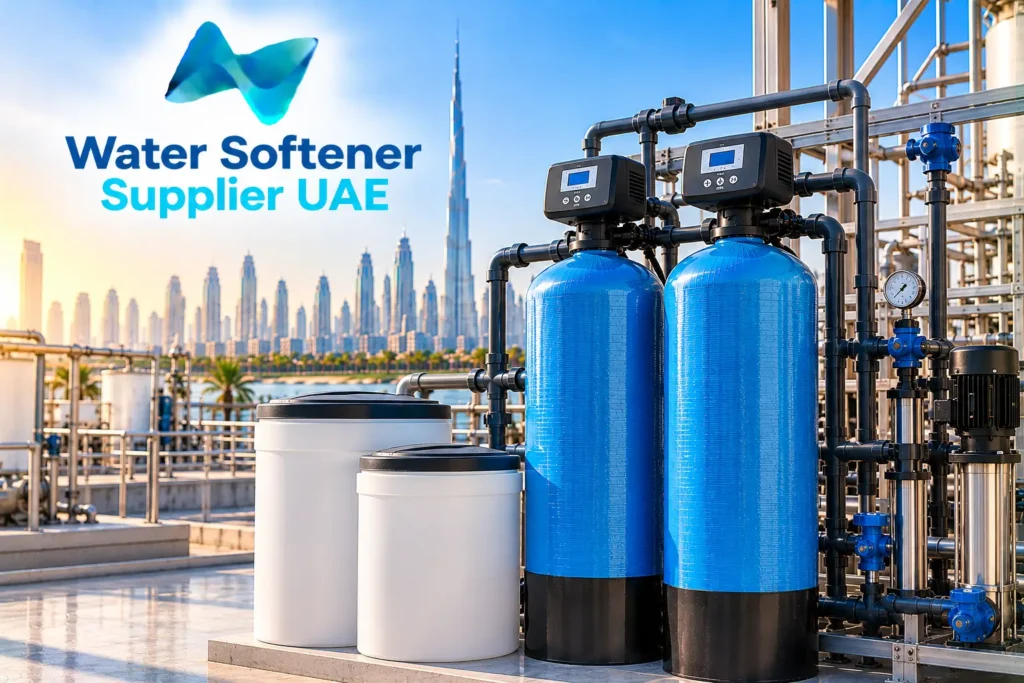
Need a Water Treatment Control Valve Supplier UAE for an industrial filter or water softener? Choosing the right valve requires more than matching pipe connections. Service flow, backwash capacity, vessel compatibility, regeneration functions and operating pressure all influence performance. Whether you are installing a new filtration system or replacing an existing valve head, this guide explains valve types, sizing, programming, troubleshooting and purchasing requirements to help you discuss suitable equipment with New Tech Water. Water Treatment Control Valve Supplier UAE: What to Check Before Buying A water treatment control valve manages the flow paths and operating cycles of a filtration or softening system. Choosing the correct model begins with understanding the treatment process. A pressure sand filter may require automatic backwashing and rinsing, while a water softener typically needs additional functions to manage resin regeneration and the brine system. When evaluating a water treatment control valve supplier in the UAE, buyers should identify the filter application, vessel dimensions, required flow rates and available operating pressure. These details establish whether a proposed valve can support the system under normal service and cleaning conditions. The purchasing specification should also distinguish between a complete automatic valve, a replacement control head and individual service components. An apparently compatible replacement may require additional fittings, distributor adapters or programming changes. Water Treatment Control Valve Buying Checklist Specification What to Confirm Application Sand filter, carbon filter, multimedia filter or water softener. Service Flow Required water flow during normal treatment. Backwash Flow Required cleaning flow and available pressure. Vessel Dimensions Tank diameter, height and mounting arrangement. Operating Conditions Pressure, temperature and water characteristics. Connection Sizes Inlet, outlet, drain and distributor connections. Control Mode Manual, timer-based, metered or another compatible system. Electrical Requirements Controller supply, adapter and installation conditions. Providing this information helps a supplier evaluate technical compatibility rather than recommending equipment based on nominal pipe size alone. Find the Right Control Valve for Your System. Share your filter application, flow requirements and vessel specifications with New Tech Water to discuss suitable equipment. How Water Treatment Control Valves Work Control valves direct water through the different hydraulic paths required during filtration, softening, backwashing and regeneration. Their internal design determines which operating cycles are available and how water moves between the service, drain and regeneration connections. During normal filtration, water passes through the selected treatment media before leaving the filter. When a backwash cycle begins, a suitable valve changes the flow path to support cleaning of the media bed. The valve may then switch to a rinse cycle before returning to normal service. Water softeners use ion exchange resin to reduce hardness. Their control valves may additionally manage brine draw, slow rinsing and brine refill, depending on the model and regeneration arrangement. Why the Control Valve Matters to System Performance An undersized valve can create excessive hydraulic resistance or fail to deliver the required flow. A valve with insufficient backwash capacity may prevent the filtration media from cleaning properly, even when normal service appears satisfactory. Correct valve selection therefore requires considering the complete system, including the vessel, filter media, resin capacity, piping and available water supply. Improve Your Filtration System’s Operation. Discuss your treatment process and required valve functions with New Tech Water before selecting a control head. Automatic Filter Valves vs Water Softener Control Valves Automatic filter valves and softener valves may look similar, but their required operating cycles are different. Selecting an unsuitable valve can create cleaning problems, incomplete regeneration or unnecessary maintenance. Feature Filter Control Valve Softener Control Valve Main Application Granular filtration. Ion exchange water softening. Normal Operation Directs water through filter media. Directs water through softening resin. Backwash Supports media cleaning where required. May form part of the regeneration cycle. Brine Draw Generally unnecessary for conventional sand or carbon filters. Required for compatible salt-regenerated softeners. Rinsing Removes remaining particles after cleaning. Helps remove residual regenerant. Control Method Manual or automatic, depending on model. Timed or demand-based regeneration, depending on model. Automatic Backwash Control Valves An automatic filter control valve manages cleaning cycles according to the selected controller and valve configuration. This can reduce the need for manual switching in compatible sand, carbon and multimedia filtration systems. However, automation alone does not guarantee effective backwashing. The valve, supply pressure, drain piping and filter media must collectively support the required cleaning flow. Automatic Softener Control Valves A water softener control valve manages the flow paths required for ion exchange service and resin regeneration. Depending on the model, it may initiate regeneration according to time settings or measured water consumption. The correct controller settings depend on the water hardness, resin quantity, operating demand and brine system design. Choose the Right Valve for Your Filter or Softener. Share your application and regeneration requirements with New Tech Water to discuss compatible control options. Manual, Timer-Based and Metered Valves: Which Control Method Is Suitable? The best control method depends on the facility’s operating pattern, water demand, required treatment cycles and maintenance capabilities. Each option has practical advantages and limitations. Manual Multiport Valves Manual valves allow operators to select different hydraulic positions. They may suit selected applications where cleaning is infrequent or regular operator intervention is acceptable. However, manual control requires correct operation at each stage. Switching the valve incorrectly can interrupt service or create unsuitable flow paths. Time-Based Automatic Valves Timer-based controllers initiate backwashing or regeneration according to programmed intervals. They may be appropriate when operating conditions are relatively stable and the cleaning schedule can be established reliably. Fixed schedules do not always reflect actual water demand or solids accumulation, so periodic review of performance remains important. Metered Softener Control Valves Metered controllers use water consumption information and programmed settings to determine when regeneration should occur. Correctly configured systems can align regeneration more closely with demand. Actual benefits depend on meter accuracy, resin capacity, hardness settings and regeneration configuration. An incorrect setup can cause premature regeneration or hardness breakthrough. Motorized Industrial Control Valves Motorized valves use compatible actuators and control signals to switch between positions or regulate a process. Their
 English
 Arabic